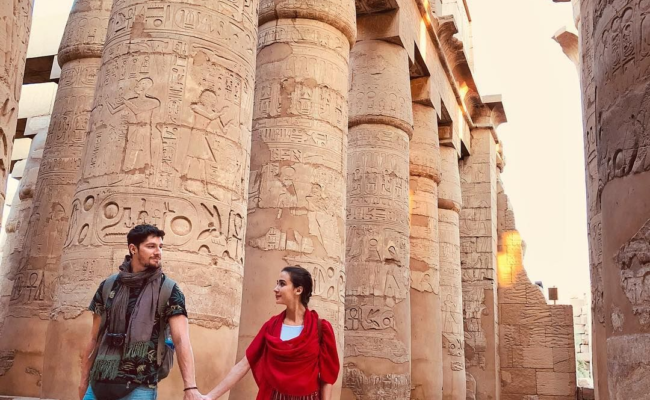
Traveling in Egypt is a captivating experience that blends ancient history, vibrant culture, and diverse landscapes. From the monumental pyramids in Giza to the temples of Luxor and the shimmering shores of the Red Sea, Egypt’s attractions are both abundant and extraordinary. To make the most of an excursion in this multifaceted country, careful planning and preparation are essential. Thoughtful organization enhances comfort, enriches experiences, minimizes stress, and elevates overall travel satisfaction.
This comprehensive guide addresses key aspects of planning excursions in Egypt: timing, transportation, climate considerations, cultural awareness, pacing, safety, and setting realistic expectations. Each section offers practical insights to support travelers in navigating the opportunities and challenges unique to Egypt.
Understanding the Importance of Preparation
Traveling in Egypt is unlike visiting a single destination within a familiar cultural context. Excursions here often involve significant distances, distinct climatic zones, and transitions between urban centers, historical sites, desert environments, and coastal areas. These variations can impact comfort and enjoyment if not anticipated.
Good preparation plays several roles:
- Comfort: Choosing the right clothing, hydration strategies, timing, and rest periods helps maintain physical well-being in variable weather and terrain.
- Enjoyment: Knowing what to expect from each site or activity reduces confusion and increases appreciation.
- Safety: Awareness of local conditions, transportation options, and health considerations minimizes risks.
- Cultural Respect: Understanding norms and etiquette deepens interaction with local communities and fosters respect.
Timing Your Excursions Wisely
Seasonal Considerations
Egypt’s climate varies significantly by region and season. The country’s vast geography includes desert interiors, river valleys, mountains, and coastal zones, each with its own pattern.
- Winter (November–February): This period offers mild to cool temperatures, especially favorable for excursions in Upper Egypt (Luxor and Aswan) and desert areas. Days are comfortable, but nights can be chilly, particularly in the desert.
- Spring and Autumn (March–April, September–October): Transitional months with warmer days and pleasant evenings. Sandstorms (known locally as khamsin) can occur in spring, creating brief periods of reduced visibility and discomfort.
- Summer (May–August): Intense heat is common throughout the interior and along the Nile. Coastal areas on the Mediterranean or Red Sea may offer more moderate temperatures, but inland excursions require careful planning to avoid midday heat.
Selecting the season for travel depends on the nature of the excursion. Historical and archaeological tours are most enjoyable in cooler months, while coastal explorations can be comfortable almost year-round.
Daily Timing
Within a typical day, careful scheduling boosts comfort and energy levels:
- Early Morning: Temperatures are more moderate, making this the best time for strenuous activities such as climbing, long walks, or extensive temple visits. Many travelers find that starting excursions before 9:00 am helps avoid the midday sun.
- Late Morning and Midday: Temperatures rise, and the sun becomes intense, especially between 11:00 am and 3:00 pm. During this time, plan indoor activities, shaded areas, rest, meals, or light exploration.
- Afternoon to Early Evening: As temperatures begin to drop, outdoor activities become more pleasant. Waterfront promenades, markets, and scenic viewpoints are ideal later in the day.
Transportation Planning
Egypt’s geography makes transportation a central part of excursion planning. Distances between major attractions can be substantial, and modes of travel vary depending on location and itinerary.
Domestic Air Travel
For long distances—for example, between Cairo and Luxor or Aswan—domestic flights are efficient and widely used. They save time and reduce the physical toll of long road journeys. When planning flights:
- Allow extra time for airport procedures, particularly in busy cities.
- Verify baggage allowances and arrival times to coordinate ground transfers.
Road Transfers
Road travel is a core component of many excursions. Whether traveling by private vehicle, coach, or taxi, road planning deserves attention:
- Distances and Duration: Check approximate travel times before departure. Cairo to Luxor is a lengthy journey by road, often requiring an early start or overnight travel.
- Rest Stops: Plan for hydration and brief breaks in shaded or air-conditioned locations.
- Traffic Patterns: Urban traffic can be heavy, especially in Cairo or Alexandria. Scheduling departures to avoid peak times can save hours and reduce stress.
River and Canal Transport
River transport—especially on the Nile—is a defining experience in Egypt. Whether on a traditional felucca sailboat or a larger river vessel, boat travel introduces another mode of transportation:
- Consider wind patterns, especially on smaller sailboats.
- Confirm boarding and disembarkation points in advance, as docks may be modest and subject to change.
- Plan timing around sunrise and sunset views, which are often highlights of river excursions.
Urban Transit
In cities like Cairo and Alexandria, local transport options include buses, metro lines, ride-sharing services, and taxis:
- Choose the metro in Cairo for efficient transit between key urban areas.
- Use reputable taxi services or digital ride-hailing options for convenience and safety.
- Cultural norms around haggling fares may apply in some settings.
Climate Considerations
Egypt’s climate is predominantly arid, with limited rainfall and significant temperature variations across regions and seasons. Understanding and preparing for these conditions prevents discomfort and enhances endurance during excursions.
Heat and Sun Exposure
Sun exposure is a primary concern for travelers:
- Hydration: Carry water at all times. In outdoor excursions, drink water before, during, and after activities.
- Sun Protection: Use broad-spectrum sunscreen, wear UV-protective sunglasses, and choose wide-brimmed hats or scarves.
- Light Clothing: Breathable, loose-fitting fabrics in light colors help mitigate heat. Long sleeves and trousers provide sun protection and reduce insect exposure when applicable.
Desert and Nighttime Temperatures
Desert regions experience dramatic temperature shifts:
- Even in summer, desert nights can become cool due to the absence of humidity.
- Pack layered clothing to adapt to both warm days and cooler evenings.
Sand and Dust
Sandstorms occasionally occur, especially in spring. These can lead to reduced visibility and irritation:
- Carry a lightweight scarf or bandana to shield the mouth and nose.
- Sunglasses and protective eyewear reduce discomfort.
- Monitor weather forecasts for alerts on wind conditions or dust events.
Cultural Awareness and Etiquette
Egypt’s history is ancient, and its culture reflects long-standing traditions. Respecting local norms enriches interactions and fosters positive experiences.
Dress and Presentation
Dress codes vary by setting:
- Urban and Tourist Areas: Casual Western dress is commonplace, but modesty is still appreciated.
- Religious Sites: When visiting mosques or conservative areas, cover shoulders and knees. Women may need to wear a headscarf in some mosques.
- Rural or Traditional Communities: Humble, respectful attire enhances comfort and shows cultural sensitivity.
Greetings and Communication
Interactions often begin with warm greetings. Polite phrases in Arabic—such as “As-salaam alaykum” (“peace be upon you”)—are appreciated. Nonverbal communication, like a gentle handshake, may vary by region and setting. Observe local cues, especially around gender interactions.
Marketplaces and Bargaining
Markets (souqs) are vibrant parts of Egyptian life:
- Bargaining is expected in many markets, but do so with a friendly attitude.
- Respect personal space and vendors’ time; not all stalls require extended negotiation.
Respect for Heritage Sites
Egypt’s archaeological treasures are fragile and irreplaceable:
- Do not touch inscriptions or place weight on ancient surfaces.
- Photography policies may differ between sites; follow posted guidance and staff instructions.
- Stay on designated paths to protect ongoing preservation efforts.
Religious Sensitivity
Egypt is a predominantly Muslim country with Christian communities as well:
- During prayer times, especially on Fridays, be mindful of mosque activities.
- Observe respectful behavior around religious festivals and rituals.
Pacing Your Itinerary
Egypt’s treasures are abundant, and pacing determines whether an itinerary feels invigorating or overwhelming.
Balancing Activity and Rest
A well-paced excursion balances exploration with rest:
- Limit consecutive intensive days: Schedule lighter days between heavy historical tours or long travel periods.
- Include downtime: Midday rest periods, especially in summer, prevent heat exhaustion.
- Alternate indoor and outdoor activities: Visiting museums, shaded ruins, or air-conditioned spaces helps manage heat.
Structuring Multi-Day Tours
For multi-day excursions—such as Nile Valley tours or desert circuits—consider:
- Geographic logic: Group sites within similar regions to reduce backtracking.
- Time of day: Visit outdoor sites in cooler hours and indoor or shaded locations later in the day.
- Natural breaks: Include meals with ample time, and allow spontaneous pauses for photos and reflections.
Safety Considerations
Safety planning promotes confidence and peace of mind, particularly when travelers are far from home.
Personal and Group Safety
- Stay hydrated: Heat and dry air can dehydrate quickly.
- Sun protection: Excessive sun exposure without protection leads to discomfort or illness.
- Keep valuables secure: Use hotel safes or secure bags when traveling in crowded areas.
- Inform others of plans: Especially in remote regions, let a partner or guide know your schedule.
Health and Medical Preparedness
- Pack a basic first-aid kit with essentials such as band-aids, pain relief, motion sickness remedies, and any personal medications.
- Be aware of proximity to medical facilities if traveling in remote areas.
- Drink bottled or treated water; avoid untreated sources.
Road and Transit Safety
- Seat belts are not always standard in all vehicles, so communicate expectations before departure.
- Long distances may require travel on highways with variable road conditions; choose reputable transportation options.
- In urban areas, heed traffic patterns and cross streets at controlled intersections when possible.
Setting Realistic Expectations
Part of preparation is understanding what to expect. Egypt offers extraordinary experiences, but managing expectations prevents disappointment.
Site Conditions
Many historical sites are ancient open-air locations:
- Shade and seating may be limited.
- Walkways may be uneven or sandy.
Setting expectations for physical conditions helps travelers bring appropriate footwear and stamina.
Language and Navigation
While English is widely spoken in tourist settings, Arabic is the national language:
- Bring a phrasebook or translation tool for non-tourist areas.
- Signage may vary in clarity; follow guides or local directions.
Service Standards
Service levels across Egypt vary:
- In established tourism sectors, service meets international norms.
- In more remote regions, services may be simpler and less polished.
Anticipating these differences reduces frustration and enhances appreciation of authentic local experiences.
Enhancing Travel Satisfaction Through Preparation
Preparation affects the quality of the travel experience in multiple ways:
Emotional Comfort
Knowing logistics—how to reach a site, where to rest, what food to expect—reduces anxiety and allows travelers to focus on enjoyment.
Physical Comfort
Appropriate timing, hydration, sun protection, and pacing preserve energy and reduce stress on the body.
Cultural Engagement
Understanding norms and etiquette enhances connection with local people and environments, leading to deeper experiences.
Reflection and Learning
Balanced planning creates room for reflection, meaning travelers are less rushed and more open to absorbing historical and cultural contexts.
Practical Tools for Planning
To maximize the ease of preparation, consider the following tools and practices:
Checklists
Create personalized travel checklists for attire, health essentials, documents, and electronic needs.
Mapping
Use maps or apps to understand site locations, transit routes, and estimated travel times.
Weather Monitoring
Check forecasts for intended travel dates to anticipate temperature ranges and potential weather events.
Local Guidance
Engage with knowledgeable local guides or resources before departure to refine plans.
Final Thoughts
Egypt’s extraordinary heritage and sensory richness make it a compelling travel destination. The country’s landscapes span deserts, river valleys, coastal zones, and metropolitan centers, each with distinct characteristics. Amid this diversity, preparation becomes the traveler’s most valuable asset—not to reduce spontaneity, but to create space for meaningful, comfortable, and safe exploration.
Planning with attention to timing, transportation, climate, cultural norms, pacing, safety, and expectations enhances travel experiences in essential ways. It fosters confidence and curiosity, turning excursions into lasting memories rather than logistical challenges.
By approaching travel in Egypt with thoughtful preparation, travelers open themselves to richer engagement with the land’s history, people, and natural beauty—experiencing not just the destinations themselves, but the journey in its fullest sense.