A Practical Guide Based on Interests, Travel Style, and Experience
Introduction: Why Excursion Choice Matters in Egypt
Egypt offers one of the most diverse excursion landscapes in the world. Within a single country, travelers can experience ancient temples, desert environments, marine ecosystems, vibrant cities, and quiet rural life. This richness creates opportunity, but it also creates complexity. Not every excursion suits every traveler, and poorly matched choices can lead to fatigue, rushed experiences, or missed expectations.
Choosing the right excursions in Egypt is not about selecting the most famous sites or the highest number of activities. It is about alignment—between interests, physical comfort, time availability, and personal travel rhythm. This guide provides a structured approach to selecting excursions that enhance the travel experience rather than overwhelm it.
1. Understanding Travel Styles in the Egyptian Context
1.1 Egypt as a Multi-Layered Destination
Egypt combines several distinct travel environments:
- Dense historical landscapes along the Nile
- Vast desert regions with extreme climate conditions
- Coastal zones focused on marine and leisure experiences
- Urban centers with intense daily rhythms
Excursions vary widely in pace, physical demands, and sensory intensity. Understanding personal travel style is the first step toward making informed choices.
1.2 Core Factors That Influence Excursion Suitability
Before examining specific traveler profiles, it is important to consider four universal factors:
- Duration: Half-day vs. full-day or multi-day excursions
- Travel distance: Time spent in transport relative to time on site
- Physical effort: Walking distances, heat exposure, terrain
- Seasonal conditions: Temperature, daylight hours, crowd levels
Each of these factors interacts differently with individual preferences.
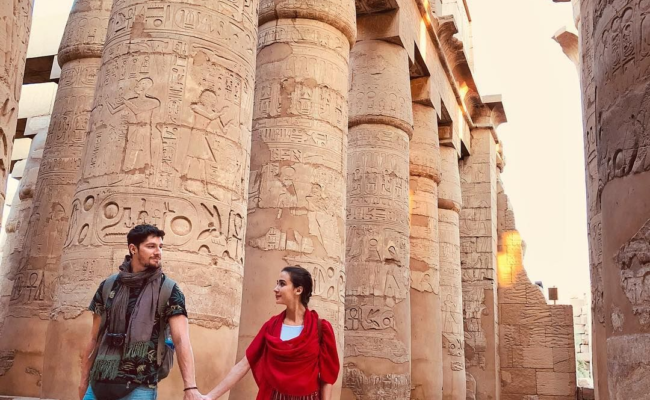
2. Excursions for Culture and History Enthusiasts
2.1 Defining Cultural Interest in Egypt
Cultural travelers are often motivated by:
- Historical context rather than visual spectacle
- Understanding chronology, symbolism, and social structures
- Meaningful interpretation over fast-paced sightseeing
Egypt’s ancient heritage is dense, which makes selectivity essential.
2.2 Recommended Excursion Characteristics
For culture lovers, suitable excursions typically include:
- Structured visits to temples, tombs, and archaeological zones
- Clear thematic focus rather than multiple unrelated sites
- Time allocated for explanation and observation
Rushed programs that combine many sites in a single day often reduce comprehension and enjoyment.
2.3 Duration and Travel Distance Considerations
Cultural excursions often involve longer travel distances, especially when visiting Upper Egypt or desert sites. Culture-focused travelers benefit from:
- Early departures to avoid heat and crowds
- Fewer sites per day with longer on-site time
- Overnight stays when distances exceed practical limits
2.4 Seasonal Impact
The cooler months support longer outdoor visits and deeper engagement. During hotter seasons, shorter cultural excursions or early-morning scheduling becomes essential.
3. Excursions for Adventure and Activity-Oriented Travelers
3.1 Types of Adventure Experiences in Egypt
Adventure-focused travelers are often drawn to:
- Desert landscapes and remote areas
- Physical engagement with the environment
- Activities involving movement, challenge, and exploration
Egypt’s deserts, mountains, and marine environments offer varied adventure opportunities.
3.2 Matching Activity Level to Environment
Not all adventure excursions demand the same physical effort. Important distinctions include:
- Low-intensity adventures: Short desert drives, light hiking, snorkeling
- Moderate intensity: Longer treks, extended boat trips, dune walking
- High intensity: Multi-hour desert routes, sustained physical exposure
Choosing appropriately prevents exhaustion and safety risks.
3.3 Duration and Recovery Time
Adventure excursions often require:
- Longer time blocks
- Recovery periods afterward
- Hydration and climate awareness
Combining multiple high-effort excursions consecutively can reduce enjoyment and physical well-being.
3.4 Seasonal Conditions and Safety
Heat significantly affects adventure excursions. During summer months:
- Early morning or late afternoon scheduling is preferable
- High-intensity desert activities should be limited
- Marine activities become more attractive due to cooling effects
4. Excursions for Families with Children
4.1 Understanding Family Travel Needs
Family travelers prioritize:
- Manageable schedules
- Predictable logistics
- Experiences that engage multiple age groups
Egypt’s scale and climate make careful planning especially important for families.
4.2 Suitable Excursion Features
Family-friendly excursions typically include:
- Short travel distances
- Clear structure and pacing
- Opportunities for rest and shade
Highly complex historical explanations or long transport times often challenge younger travelers.
4.3 Balancing Education and Enjoyment
Children engage best when excursions include:
- Visual and spatial experiences
- Interactive elements
- Limited passive listening
Selecting excursions that stimulate curiosity without overwhelming attention spans improves the experience for all family members.
4.4 Seasonal Timing
Families benefit most from:
- Cooler seasons with moderate daytime temperatures
- Avoidance of peak heat hours
- Flexible daily planning that allows early returns
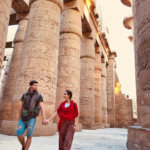
5. Excursions for Couples and Shared Experiences
5.1 Travel Motivations for Couples
Couples often seek:
- Shared memories rather than information density
- Emotional connection to places
- Balanced experiences combining activity and calm
Egypt’s landscapes provide strong atmospheric settings for this travel style.
5.2 Characteristics of Suitable Excursions
Couple-oriented excursions often emphasize:
- Scenic environments
- Slower pacing
- Fewer participants or quieter settings
Overcrowded or highly regimented excursions may reduce the sense of intimacy.
5.3 Duration and Flow
Half-day or sunset-oriented excursions are particularly suitable, allowing:
- Unhurried transitions
- Time for reflection
- Integration with relaxed evenings
5.4 Seasonal Atmosphere
Lighting conditions, temperature, and crowd density influence atmosphere. Cooler months and off-peak hours enhance the emotional quality of shared experiences.
6. Excursions for Travelers Seeking Relaxation
6.1 Redefining Excursions Beyond Activity
Relaxation-oriented travelers do not necessarily avoid excursions. Instead, they seek:
- Minimal physical strain
- Predictable pacing
- Natural or scenic settings
In Egypt, relaxation-focused excursions often involve water, landscapes, or short cultural exposure.
6.2 Key Selection Criteria
Suitable excursions emphasize:
- Limited travel time
- Comfortable transport
- Low sensory overload
Programs that allow observation rather than participation support relaxation.
6.3 Timing and Seasonal Strategy
Relaxation benefits from:
- Late morning starts
- Avoidance of peak heat
- Longer rest periods before and after excursions
Combining one gentle excursion with a rest day often produces better results than daily activity.
7. Evaluating Duration and Travel Distance
7.1 Transport Time vs. Experience Time
In Egypt, transport distances can be substantial. A key question is:
- How much of the day is spent traveling compared to experiencing the site?
When transport time exceeds on-site time, overall satisfaction often decreases.
7.2 Overnight vs. Day Excursions
Some destinations are better experienced through overnight arrangements, which:
- Reduce fatigue
- Allow early or late access
- Improve pacing
Day trips covering extreme distances often compromise depth.
8. Physical Effort and Climate Awareness
8.1 Heat as a Defining Factor
Heat affects:
- Walking endurance
- Concentration
- Enjoyment
Understanding personal tolerance is essential when selecting excursions.
8.2 Adjusting Expectations
Physical effort is cumulative. Combining long walks, stairs, and exposure without rest can diminish later experiences. Selecting excursions with varied intensity improves overall balance.
9. Seasonal Considerations in Excursion Planning
9.1 Cooler Months
Advantages include:
- Longer outdoor tolerance
- Greater flexibility in scheduling
- Broader excursion options
9.2 Hotter Months
Effective strategies include:
- Early starts
- Shorter excursions
- Emphasis on water-based or indoor experiences
Seasonal awareness enhances comfort and safety.
Conclusion: Thoughtful Selection as the Key to Meaningful Experiences
Choosing the right excursions in Egypt is not about maximizing quantity but about aligning activities with personal interests, physical comfort, and environmental conditions. Egypt’s diversity allows every travel style to find suitable experiences, but only when selection is intentional.